
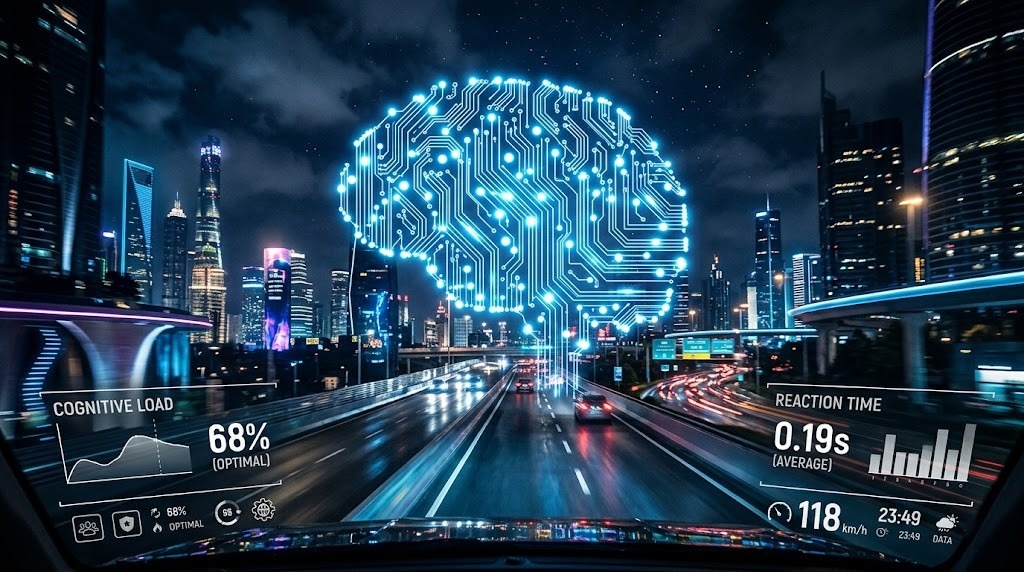
It is May 2026, and we have officially entered a new era of human health. If you look around the gym—or even just at the latest medical journals—you’ll notice a profound shift in the conversation. We’ve finally stopped looking at muscle through the narrow lens of vanity, aesthetics, or the pursuit of a “bodybuilder” physique. The mirror is no longer the primary judge of our progress; the microscope is.
In this new landscape, we’ve come to realize that skeletal muscle is far more than just the engine that moves our limbs. It is, in fact, the body’s largest metabolic organ.
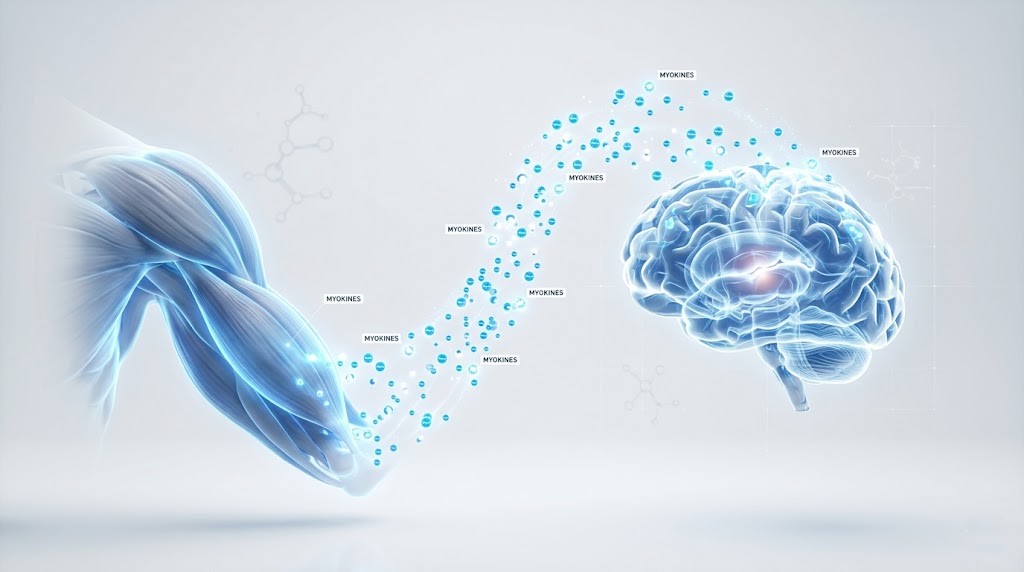
Think of your muscles not as passive slabs of tissue, but as a sophisticated chemical factory. Every time you contract a muscle, you are initiating a high-level boardroom meeting between your systems. Muscles secrete “myokines”—specialized signaling molecules that travel through the bloodstream to communicate with your liver, your gut, and your immune system. They regulate inflammation, manage blood sugar, and dictate how efficiently you burn fuel. In short, your muscles are talking to your entire body, and the stronger they are, the clearer that signal becomes.
But perhaps the most breathtaking breakthrough of this year is the realization that physical strength is the ultimate “brain hack.” We are discovering that a resilient, capable body is the primary guardian of our cognitive longevity. To put it simply: a stronger body literally means a younger brain. By building the “organ” of muscle, we aren’t just lifting weights; we are fortifying our minds against time itself.
To understand why strength is the new frontier of mental health, we have to look at the secret language of movement: Myokines.
For decades, we thought muscles were silent, mechanical parts. We now know they are actually endocrine powerhouses. Every time you perform a squat or a deadlift, your muscles act as a pump, surging specialized signaling proteins known as myokines into your bloodstream. Think of these as chemical messengers sent from the body to the brain to report that work is being done.
The Brain’s “Miracle-Gro”
Among the most vital of these proteins are Irisin and Cathepsin B. These aren’t just muscle-builders; they are cognitive enhancers. Once released through contraction, they travel through the heart and lungs, eventually crossing the blood-brain barrier. Once inside, they trigger the production of Brain-Derived Neurotrophic Factor (BDNF).
In the medical community, BDNF is frequently referred to as “Miracle-Gro” for the brain. It promotes the survival of existing neurons and encourages the growth of new ones, particularly in the hippocampus—the area responsible for memory and learning. By stimulating BDNF, you aren’t just preventing the “cobwebs” of age; you are actively remodeling your neural architecture.
Lifting as Neuro-Wellness
In our 2026 “Neuro-Wellness” era, we’ve shifted from exercising for a smaller waistline to exercising for a sharper mind. We now treat resistance training as a primary tool for the prevention of cognitive decline and neurodegenerative diseases.
If you’re struggling to find motivation for that 6:00 AM workout, remember this analogy: Your biceps are the battery for your brain’s backup power. Every rep you complete is a literal deposit into your cognitive reserve. When you lift weights, you aren’t just building a physique—you are charging the system that keeps your mind resilient, vibrant, and young. Strength isn’t just about what your body can do; it’s about how well your brain can think.
The Vital Squeeze: Why Grip Strength is Your New Life Expectancy Metric
As of 2026, the medical community has undergone a massive shift in how we measure “fitness.” While your grandparents focused on the scale and your parents tracked their steps, we have moved toward a much more telling metric. Recent longitudinal studies from this year have confirmed what was once a theory: Grip strength is the single best predictor of biological age and all-cause mortality.
It sounds almost too simple, but the “Single Squeeze” is your body’s ultimate reality check.
More Than Just a Handshake
Your grip strength isn’t just about the muscles in your palms or forearms; it is a proxy for systemic health. A weak grip is a smoke alarm for the body, often signaling low bone density, declining heart resilience, and systemic inflammation. Think of it this way: your nervous system’s ability to generate force in your extremities is a direct reflection of your internal “wiring.”
In 2026, we’ve begun prioritizing grip over traditional metrics like BMI or even resting blood pressure. Why? Because while BMI tells us how much you weigh, grip strength tells us how much life is in your frame. It is a “biomarker of aging” that correlates directly with your ability to survive a major health event.
How to Build a “Lifetime” Grip
The good news is that you don’t need a specialized gym to improve this metric. You can build “functional force” through simple, everyday actions:
- The Dead Hang: Find a sturdy pull-up bar or even a playground set. Simply hang by your hands for 30 seconds. This decompresses the spine while forcing your grip to support your entire body weight.
- The Farmer’s Carry: Next time you’re getting groceries, don’t use a cart. Carry two heavy bags at your sides with your shoulders back. This builds “loaded carries” into your routine.
- Active Squeezing: Keep a tennis ball or a dedicated grip trainer at your desk. Spend five minutes during your afternoon meetings doing active pulses.
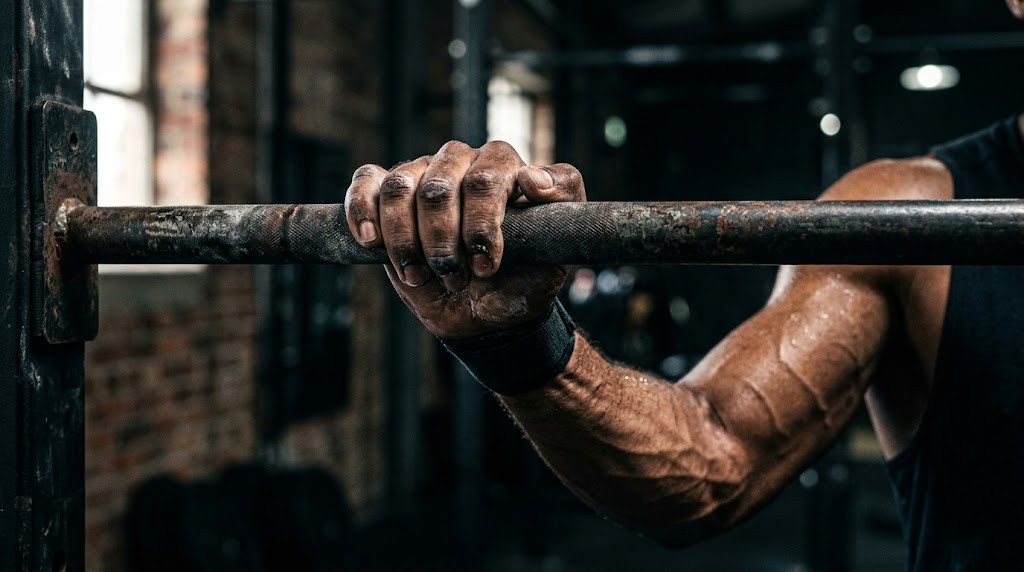
By focusing on the power in your hands today, you are essentially “armoring” your body for the decades to come.
Integrating Resilience: Tech, Training, and the Trail
Building a body that acts as a metabolic powerhouse isn’t just about the work you do—it’s about the recovery you honor. In 2026, the “all-out, all-the-time” mentality has been replaced by precision. We now rely on advanced, screenless wearables like the Oura Ring Gen 4 to bridge the gap between effort and biology. By monitoring your Readiness Score—a synthesis of heart rate variability, sleep quality, and body temperature—you can pinpoint the exact days your “chemical factory” is primed for growth and when it requires a “maintenance shift.”
This data-driven approach to physical resilience serves a higher purpose than just longevity; it fuels your lifestyle. The metabolic efficiency and bone density you build in the gym are the exact assets required for the world’s most demanding environments. Whether you are navigating the steep, oxygen-thin ridges of Chopta or the rugged, vertical climbs of Nainital, your muscle mass acts as your internal stabilizer and engine.

By prioritizing your grip strength and myokine production today, you aren’t just protecting your brain; you are ensuring you have the stamina and structural integrity to conquer the highest peaks tomorrow. True wellness is a closed loop where technology, physiology, and adventure meet.
Conclusion
As we look toward the horizon of the coming decade, the message is clear: muscle is no longer a metric of vanity, but a mandate for a life well-lived. We have moved past the era of aesthetic obsession and entered the age of functional longevity. Every rep, every heavy grocery carry, and every minute spent hanging from a bar is an investment in your future self—a self that is metabolically resilient, cognitively sharp, and physically capable.
I remember standing on a peak in Nainital last month, looking out over that endless, white layer of clouds. The air was thin, and the path was unforgiving. To reach that view, I didn’t just need a map; I needed the structural integrity of my own body. I needed the metabolic engine we’ve discussed today to power me through the incline and the neurological focus to keep my footing.
In 2026, we are finally realizing that our strength is our freedom. It’s the engine that lets us rise above the noise of daily life and stay fully present in its most breathtaking moments. Don’t just build muscle for the beach; build it so you can keep standing above the clouds for decades to come.