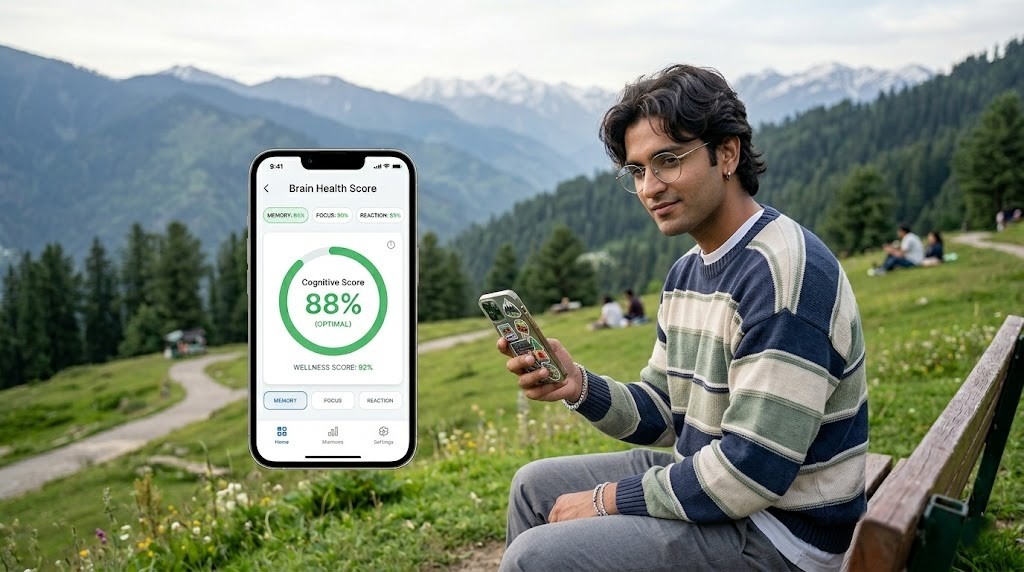

The Future of Wellness: Tracking Your Mind in Real Time
Is your brain health as trackable as your steps? As of today, the answer is yes.
Tuesday, April 28, 2026, marks a pivotal shift in the landscape of preventative medicine. Today, NTT DATA officially pulled back the curtain on its global launch of a revolutionary AI-driven monitoring service designed to generate a comprehensive “Brain Health Score.” For decades, understanding cognitive decline felt like trying to predict the weather without a satellite—we often didn’t see the storm until it had already arrived. This new service changes that narrative entirely, turning the “black box” of neurology into a transparent, actionable metric.
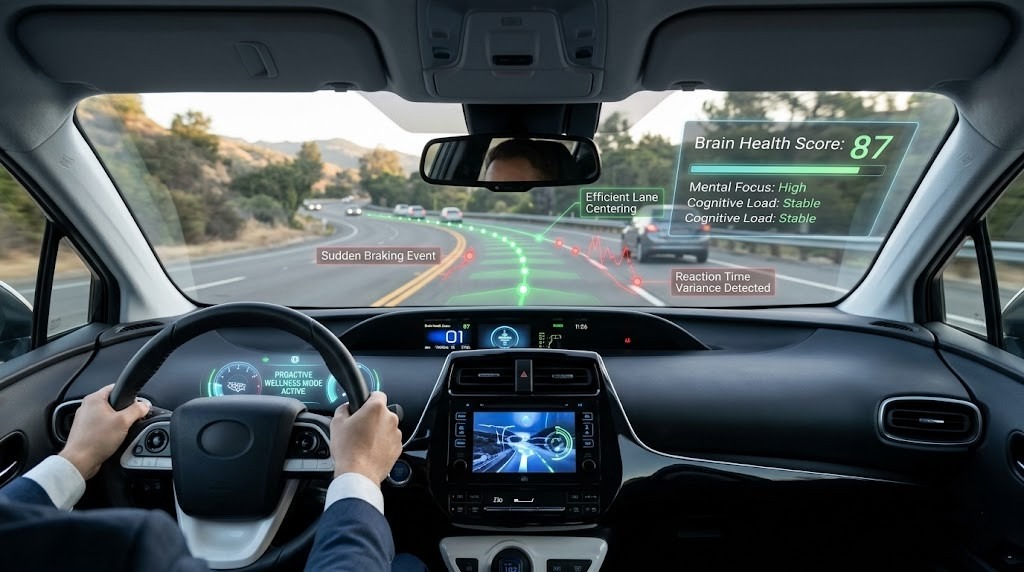
What makes this launch truly visionary is its move away from the sterile environment of a doctor’s office. There are no invasive medical tests, no intimidating MRI machines, and no stressful memory quizzes involved in the daily score. Instead, the AI operates quietly in the background of your life, synthesizing everyday data into a cognitive baseline. By analyzing the subtle nuances of your daily routine—from your GPS movements and braking patterns in your smart car to your digital reaction times—the system identifies the microscopic deviations that the human eye might miss.
This isn’t just about data collection; it is a major leap toward the prevention of cognitive decline. By catching the earliest whispers of change through the technology we already use, we move from a world of “reactive treatment” to one of “proactive preservation.”
In this post, we will dive deep into:
- The Technology: How NTT DATA’s AI transforms driving habits and movement into neurological insights.
- The Proactive Shift: What a real-time Brain Health Score means for the future of aging and wellness.
- The Security Debate: Navigating the essential balance between life-saving health data and personal digital privacy.
The Architecture of Cognitive Insight: Behavioral Metadata
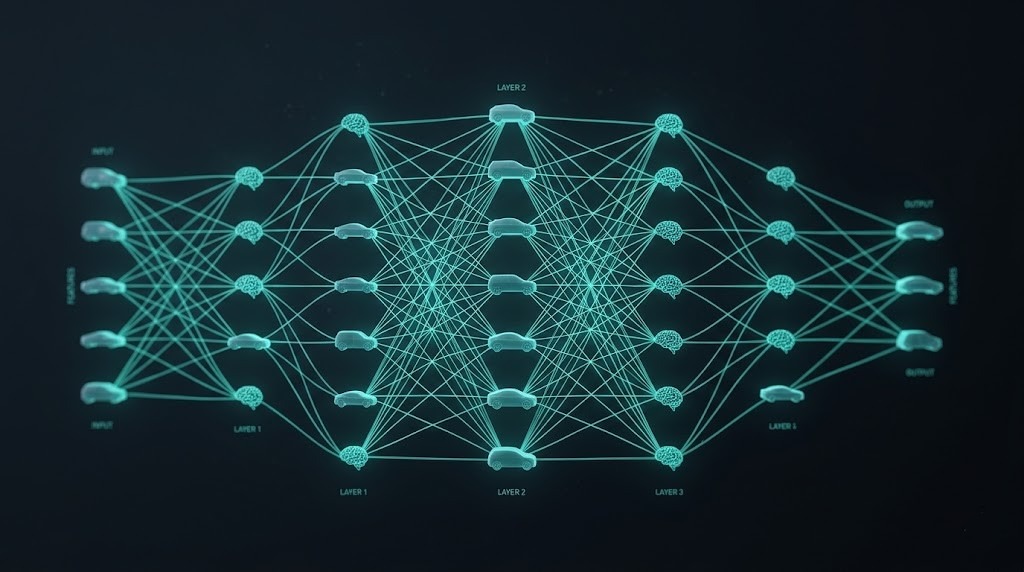
At the core of the Brain Health Score lies a sophisticated ensemble of neural networks and machine learning algorithms designed to identify the “digital biomarkers” of cognitive health. Unlike traditional diagnostic tools that rely on a single point in time, this technology focuses on predictive modeling—analyzing continuous streams of data to detect shifts in baseline mental performance.
From Raw Data to Metadata
To ensure both privacy and efficiency, the AI does not process raw video feeds or personal audio. Instead, it operates on metadata: high-level abstractions of movement and interaction. By filtering out identifying details and focusing solely on behavioral vectors, the system can remain “privacy-first” while maintaining surgical precision in its analysis.
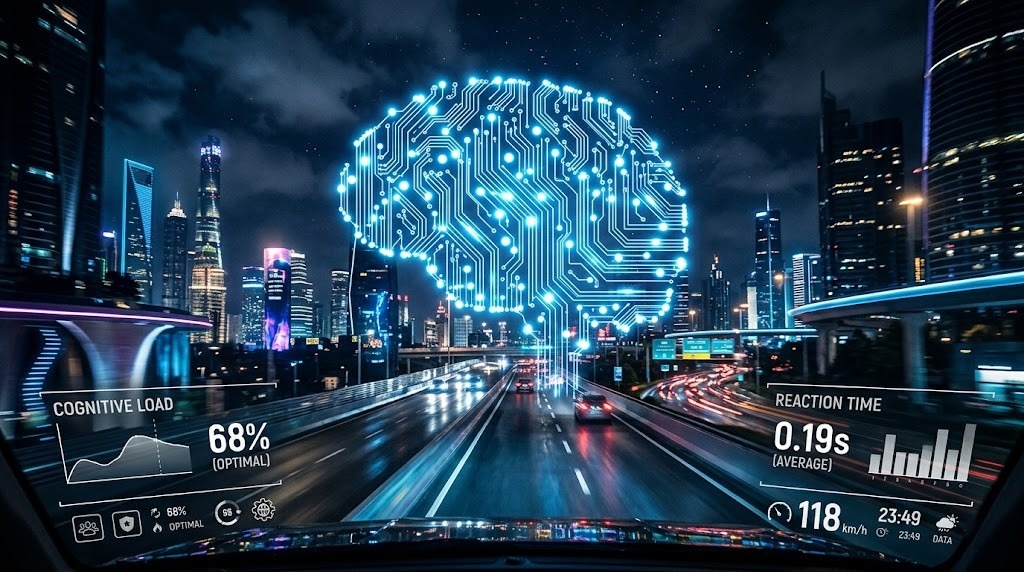
During a standard commute, the system monitors several key behavioral indicators in real-time:
- Sudden Braking Consistency: Analyzing whether braking patterns remain rhythmic or become erratic, which can indicate lapses in spatial awareness.
- Lane Centering Precision: Measuring the micro-adjustments required to stay centered. A decrease in precision often correlates with a decline in executive function or focus.
- Reaction Time Variance: Specifically in heavy traffic, the AI tracks the delta between an external stimulus (a lead car slowing down) and the driver’s response.
- Steering Smoothness: Quantifying the fluidity of steering wheel input to detect tremors or jerky movements that might suggest motor-cognitive interference.
The Technical Stack: Python and PyTorch
The heavy lifting of this predictive engine is built upon the Python ecosystem, leveraging the PyTorch framework for deep learning. PyTorch allows for the deployment of dynamic computational graphs, which are essential for processing the non-linear, time-series data generated by a moving vehicle.
By training these models on massive datasets of “normative” driving behavior, the AI can distinguish between a simple bad day behind the wheel and a statistically significant deviation in cognitive health. This technical rigor ensures that the Brain Health Score isn’t just a trend—it’s a high-fidelity medical insight derived from the physics of everyday life.
“Building these complex models requires a deep understanding of modern programming; if you’re just starting out, check out our guide on how [AI-Human Hybrid careers are reshaping software development in 2026].”
From Reactive Care to Proactive Wellness: 2026’s Big Shift
For decades, the global healthcare model has been fundamentally reactive. We have functioned under a “break-fix” mentality: you wait for a symptom to manifest, you visit a clinic, and you receive a diagnosis. But as of 2026, the paradigm has officially shifted. We are moving away from the era of the patient and into the era of the quantified self.
The difference is simple yet profound. Reactive health is an ambulance at the bottom of the cliff; proactive wellness is the fence at the top. By utilizing advanced tools like NTT DATA’s Brain Health Score alongside Continuous Glucose Monitors (CGMs) and wearable biosensors, we are now monitoring vital biomarkers 24/7. This continuous stream of data allows individuals to identify physiological and cognitive “drifts” years—or even decades—before clinical symptoms would typically appear.
Metabolic Health for the Mind
A cornerstone of this shift is the emerging concept of “Metabolic Health for the Mind.” Just as we have learned to manage blood sugar to prevent diabetes, we are now learning to manage “cognitive load” and “neural efficiency” to preserve long-term brain function. This launch reinforces the idea that the brain is not an isolated organ, but a metabolic engine that requires constant, data-driven tuning.
2026 will be remembered as the year the average person finally gained true agency over their cognitive future. This isn’t just a niche interest for tech enthusiasts; it is a pillar of the broader longevity movement. By integrating brain monitoring into the fabric of daily life—through the very cars we drive and the devices we carry—we are democratizing the ability to age with grace, clarity, and intent. Wellness is no longer a destination you reach when you’re sick; it is a state of precision maintenance you perform every single day.
“Just as your brain requires metabolic tuning, your physical environment impacts your cognitive load. For those looking to work in high-performance environments, exploring [stable digital nomad hubs in countries like Paraguay] is becoming a popular choice for 2026
AI Monitoring vs. Privacy: The Big Debate
Whenever the words “AI,” “monitoring,” and “behavioral data” converge, a fundamental question inevitably arises: Is my car spying on me for my insurance company?
This “Big Brother” anxiety is the primary hurdle for the widespread adoption of health-tech. The fear is that a lower Brain Health Score could lead to hiked premiums, revoked licenses, or a permanent digital record of one’s cognitive slip-ups. To achieve mainstream success, NTT DATA and its peers must prove that they aren’t just protecting our brains, but our personal autonomy as well.
The 2026 Solution: Privacy by Design
The industry has moved beyond simple encryption. To navigate this ethical minefield, the launch utilizes two cutting-edge cryptographic pillars: Federated Learning and Zero-Knowledge Proofs (ZKPs).
- Federated Learning: Instead of your raw driving data—every GPS coordinate, every swerve, every stop—being uploaded to a central server, the AI model comes to you. The heavy lifting happens locally on your car’s onboard computer or your smartphone. Your device “learns” from your behavior, updates its local model, and then sends only the learned intelligence (the refined mathematical patterns) back to the cloud. Your actual driving logs never leave your possession.
- Zero-Knowledge Proofs: This is a method by which the system can prove a statement is true—for example, “This user’s cognitive score is within the healthy range”—without revealing the specific data used to reach that conclusion.
By implementing these “privacy-first” architectures, the 2026 health-tech landscape is proving that high-fidelity monitoring does not have to mean high-stakes surveillance. We are entering an era where you can own your health insights without surrendering your digital identity. This isn’t just a technical feature; it is the strategic foundation of trust required for the longevity movement to thrive.
A Healthy Brain Checklist for 2026
While AI monitoring provides the “dashboard” for your mind, the quality of the journey depends on your daily inputs. Beyond tracking your score, the longevity movement emphasizes four foundational pillars to maintain and improve your cognitive baseline starting today.
1. Optimize Deep Sleep
Sleep is not merely downtime; it is the brain’s primary sanitation cycle. During deep NREM sleep, the glymphatic system becomes highly active, physically washing away metabolic waste—including beta-amyloid plaques associated with cognitive decline.
- Action: Aim for 7–9 hours, prioritizing a consistent “cool down” period to ensure you reach the deep stages where this neural cleansing occurs.
“The consequences of skipping this sanitation cycle are immediate and severe. We recently documented [what happens to the human body after 48 hours without sleep], and the results are a stark warning for high-performer.”
2. Movement as Medicine
Physical activity is the most potent “nootropic” available. While all movement helps, specific types yield higher cognitive dividends:
- High-Intensity Intervals (HIIT): Brief bursts of intense effort increase levels of BDNF (Brain-Derived Neurotrophic Factor), a protein that supports neuron growth.
- The “Trek” Benefit: Simple walking, especially in varied terrain, requires constant spatial navigation and micro-adjustments, keeping the motor cortex and hippocampus highly engaged.
“The cognitive benefits of trekking aren’t just theoretical. My recent experience [trekking 25km through the mountains of Jammu] proved that physical endurance is the ultimate reset button for the mind.”
3. Cognitive Challenges
The “use it or lose it” rule applies to neural pathways. To build cognitive reserve, you must move beyond passive consumption and engage in active, complex learning.
- Action: Dedicate 20 minutes a day to a “high-friction” skill. Learning a new coding language or a foreign tongue forces the brain to create new synaptic connections, thickening the white matter that protects against age-related slowing.
4. Social Connectivity
Isolation is a biological stressor that accelerates brain aging. Meaningful social interaction provides complex emotional and intellectual stimuli that AI cannot replicate.
- Action: Prioritize face-to-face (or high-fidelity digital) interactions. Engaging in debate, collaborative problem-solving, or even shared storytelling provides a multidimensional workout for the prefrontal cortex.
Conclusion: The New Frontier of Cognitive Ownership
Today’s launch by NTT DATA is more than just a corporate milestone; it is a turning point for global health. We have moved into an era where proactive wellness is fueled by high-fidelity AI data, shielded by the ironclad security of Federated Learning, and made immediately actionable for every individual. We are no longer passengers in our own aging process—we are the pilots, equipped with a real-time dashboard for our most vital organ.
But as we embrace these digital advancements, we must remember that technology is the map, not the journey itself.
Last week, I completed a grueling 25km trek through the rugged terrain of Jammu. My legs were tested by the elevation, but it was my brain that received the biggest boost—pure focus, silence, and a deep sense of mental clarity. As we spend our days studying new neural networks and training AI agents, we must not neglect the most powerful “processor” we will ever own.
Whether you are traveling across the world to [explore the hidden secrets of Andaman] or simply driving your commute, your data is now your health’s best defense.
Today’s technology is a powerful partner in our quest for longevity. Let’s use it to protect our minds, our memories, and our futures.