
It’s a Tuesday in Delhi, and the heat isn’t the only thing feeling heavy. I’m currently staring at my old laptop charger—a tangled, brick-sized relic that looks like it belongs in a museum next to a floppy disk. Honestly, looking at it feels like looking at a ball and chain.
Being a student used to mean a very specific kind of friction. It was the literal back pain of lugging a five-pound machine across campus and the frantic, “eyes-darting” scan of every room to find a free charging socket near the back row. You’d flip the lid, press power, and then… wait. You had enough time to grab a chai while the OS struggled to wake up. Your productivity was tied to a desk, an outlet, and a whole lot of patience.
But in 2026, that “old way” feels like a distant memory.
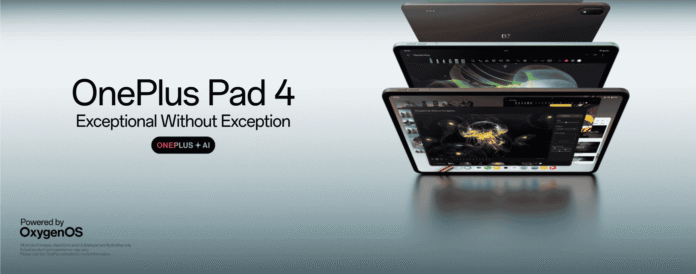
Moving to the OnePlus Pad 4 isn’t just an upgrade; it’s a liberation story. With its instant-on interface, the friction is gone. There is no booting up, no cable anxiety, and definitely no back pain. You just tap, and you’re in. Whether you’re sitting in a cafe or under a tree, you’re no longer a prisoner of the power grid. You’re finally mobile, untethered, and ready to work the second an idea hits.
For a long time, I kept this blog in a box labeled “Fitness.” It was a focused space, but eventually, it started to feel like a narrow cage. In 2026, life doesn’t happen in silos, and neither should the stories I share here.
The truth is, my life is a blend that doesn’t fit into a single workout split. When I’m trekking 25km through the rugged trails of Jammu, that is absolutely fitness. But when I’m sitting in a quiet cafe, leaning over a tablet and writing lines of code that solve a real-world problem, that is a lifestyle choice. Both require discipline; both demand energy; both define who I am.
So, we’re widening the lens.
Starting today, this category is officially transitioning to Lifestyle. Why? Because it’s time to cover the whole human experience. We’re going to talk about everything that moves the needle: from the food that fuels our bodies to the AI tools we use to architect our futures. Whether we’re optimizing our heart rate or our workflow, it’s all part of the same journey toward a better version of ourselves.
Does this transition feel like a natural evolution to you, or is there a specific “blend” of tech and health you’re most excited to see explored?
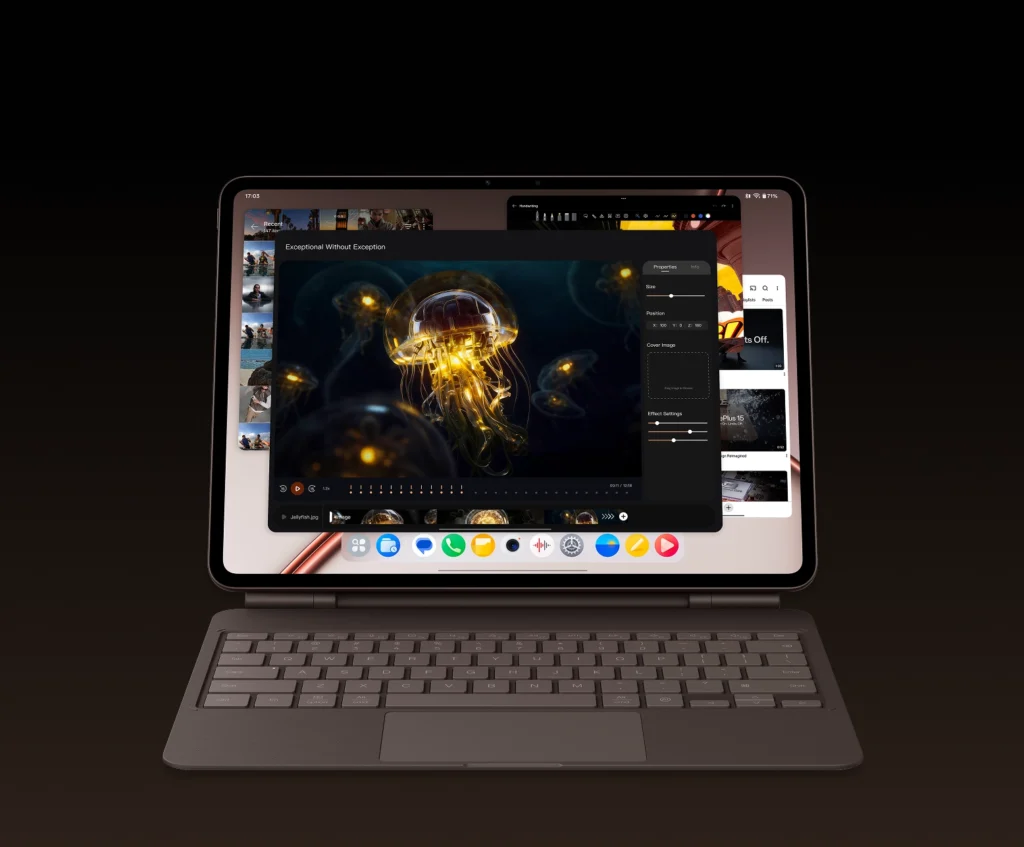
The OnePlus Pad 4 isn’t just a device you carry; it’s a portal that you step into. When you flip it open, the 13.2-inch 3.4K display doesn’t feel like a screen—it feels like a window to another world. The colors are so deep and the clarity so sharp that the boundary between the glass and your ideas starts to blur.
But the magic is really in the movement. When you’re deep in a flow state, scrolling through 500 lines of Python code, the 144Hz refresh rate transforms the experience. It doesn’t stutter or jump; the text flows under your fingertips like water over smooth stones. There’s a tactile, liquid rhythm to it that makes the most dense technical work feel surprisingly effortless.
And then there’s the freedom of the battery. With its massive 13,380 mAh capacity, the constant “plug-hunt” is officially over. You can settle into a corner of the library at 9 AM and stay through the sunset, moving from deep-work coding to high-res streaming without once glancing at your battery percentage or scouting for an outlet.
This isn’t a “gadget” you have to manage. It’s a productivity companion that finally moves at the speed of your life, letting you focus on what you’re creating rather than how much power you have left to create it.

Listen, I’ve been where you are—hunched over a laptop that sounds like a jet engine, crying over a missing semicolon. But the game has changed. In 2026, being a “coder” isn’t about memorizing syntax anymore; it’s about architecting ideas. If you want to move from a struggling student to a high-output builder while sitting in a park in Chhatarpur, these are the three tools you need to master. Consider this your starter kit for the “New Way.”
1. Cursor + Claude: The “Vibe Coding” Revolution
We used to call it programming. Now? We call it Vibe Coding. When you pair Cursor (the AI-native code editor) with Claude 3.5 or 4, you aren’t just typing; you’re conducting an orchestra.
- The Workflow: You don’t start with
public static void main. You hitCmd+K, describe your problem in plain, messy English—the “vibe”—and watch as the AI weaves the logic across multiple files simultaneously. - Why it Matters: It lowers the barrier to entry. If you can explain the logic of a library management system or a fitness tracker, Cursor will handle the boilerplate. You stay in the creative flow, and the machine handles the syntax.
2. Replit Mobile: Your Server in Your Pocket
There was a time when “hosting a site” meant sitting at a desk for three hours configuring SSH keys and deployment pipelines.
With Replit Mobile on something like the OnePlus Pad 4, you can literally build and launch a live URL while sitting on a park bench.
- The Magic: It’s a fully functional, cloud-based IDE. You write the code, hit “Run,” and Replit handles the hosting instantly.
- The Liberation: Imagine showing a potential client or a professor a live, working web app on your tablet that you just deployed over 5G. It’s the ultimate flex for the modern, untethered student.
3. Codeium: The “Senior Dev” in Your Ear
If you’re a student, you probably don’t have the budget for every premium subscription. That’s where Codeium comes in—it is, quite simply, your best friend.
- Free & Powerful: While other tools charge a premium, Codeium offers a massive free tier for individuals that is lightning-fast.
- The Experience: It’s like having a senior developer sitting right next to you. As you start typing a function, it predicts your next three moves. It catches errors before you even realize you made them.
- Learning Tool: Don’t just let it autocomplete; read what it suggests. It’s the fastest way to learn industry-standard patterns without digging through 10-year-old Stack Overflow threads.
Big Brother Advice: Don’t let these tools make you lazy. Use the time you save on syntax to study the logic. The AI writes the code, but you provide the soul.
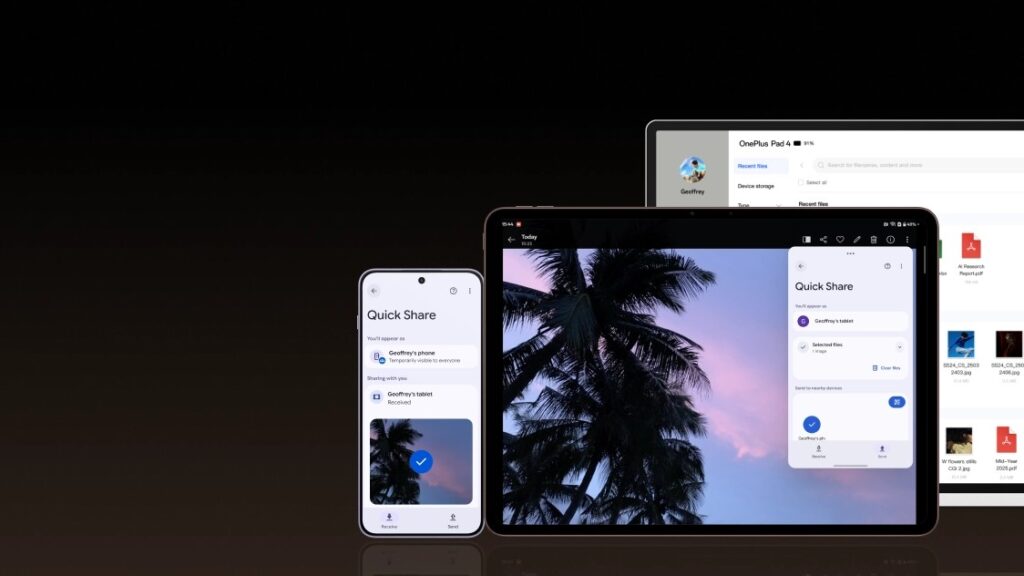
Ultimately, the shift to a device like the OnePlus Pad 4 and the adoption of AI isn’t about “hustle culture”—it’s about Mental ROI.
Every minute you spend fighting a bulky charger, waiting for a boot sequence, or hunting down a syntax error is a minute stolen from your creative soul. When the tech becomes invisible and the “boring” parts of coding are handled by AI, your brain finally has the overhead to breathe. It’s the difference between being a data entry clerk for your own ideas and being the architect of them.
For me, that freed-up mental space is where real life happens. It’s what allows me to dive into my “100 Novels” challenge or explore the intricate, storytelling movements of Kathakali, writing about mother’s day. It allows me to bridge the gap between the precision of Python and the depth of classical literature.
The goal of all this high-end tech isn’t to cram more work into your day; it’s to finish the work faster so you can live more. We aren’t just students or coders; we are humans who deserve to spend our energy on what truly inspires us.
The era of being tethered to a desk is over. The “old way” is heavy, hot, and exhausting.
Put down the heavy laptop, pick up a lighter life, and just start creating.